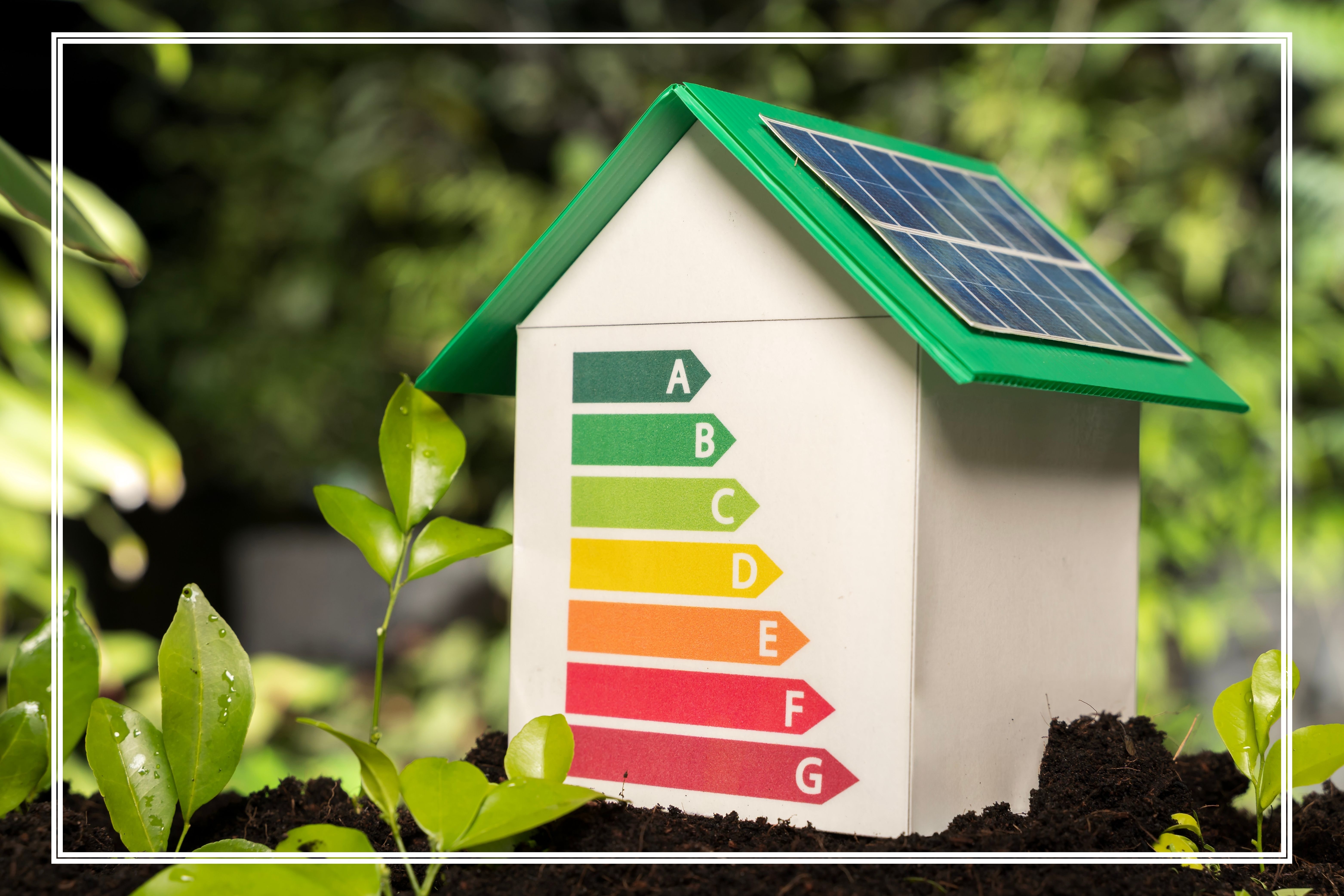
Something has shifted in the way buyers approach a property search. For a long time, energy efficiency sat near the bottom of most people's priorities, somewhere below square footage and school catchments. That has changed. April's active market will bring thousands of listings to buyers who are now routinely asking a question that would have seemed unusual just a few years ago: how much will this home actually cost to run?
The answer matters more than ever, and the properties that score well on that front are attracting genuine, sustained interest.
Why running costs have changed the conversation
The energy price rises of recent years left a lasting impression on buyers across all budgets. Even as prices have stabilised, the experience of seeing energy bills climb sharply made many people reconsider what they actually wanted from a home. A property with solid insulation, efficient heating, and a strong Energy Performance Certificate rating offers something tangible: predictability. For buyers working carefully to a budget, that is increasingly compelling.
An EPC rating of A or B can translate to meaningfully lower monthly outgoings compared to a property rated D or E. Over the course of a mortgage, those savings accumulate significantly. Buyers who factor this into their search, rather than treating it as a secondary consideration, often find that a slightly higher purchase price on a well-rated home makes better financial sense in the long run.
What to look for when viewing
If eco credentials matter to you, it is worth looking beyond the EPC rating itself. The certificate tells you the headline score, but understanding what sits behind it gives you a clearer picture of what you are buying into. Ask about wall and loft insulation, the age and type of boiler, and whether the property has double or triple glazing throughout. These are not obscure questions. Any seller's agent should be able to answer them, and the responses will tell you a great deal.
Homes with solar panels are worth examining carefully. Find out whether the panels are owned outright or subject to a lease agreement, as this affects how the benefit is structured and what happens when the property is sold. Heat pumps are increasingly common in newer builds and well-retrofitted properties. They operate differently to gas boilers and are most effective in well-insulated homes, so the two tend to go together in properties that have been thoughtfully upgraded.
New builds versus older stock
New build properties generally perform well on energy efficiency by design, built to modern standards with insulation, air source heat pumps, and sometimes solar provision included as standard. For buyers open to a new build, the running cost advantages are often significant and measurable from day one.
That said, many older properties have been substantially upgraded, and some Victorian or Edwardian homes now carry impressive EPC ratings following careful renovation work. Do not dismiss period properties on efficiency grounds alone. Ask the right questions and look at the evidence.
The wider appeal
Eco-friendly features are also holding their value in the market. Properties with strong energy credentials are proving more resilient, attracting a broader pool of buyers and, in many cases, achieving stronger prices relative to comparable but less efficient homes. For buyers thinking about resale further down the line, that is worth factoring in alongside the day-to-day benefits.
April is a good moment to approach the search with fresh eyes. The market is active, new listings are coming through regularly, and competition among buyers is picking up. Going into that environment with clear priorities, including a genuine understanding of what makes a home efficient and affordable to live in, puts you in a stronger position to find something that works not just now but for years to come.
Looking for an energy-efficient home this spring? Talk to us today
