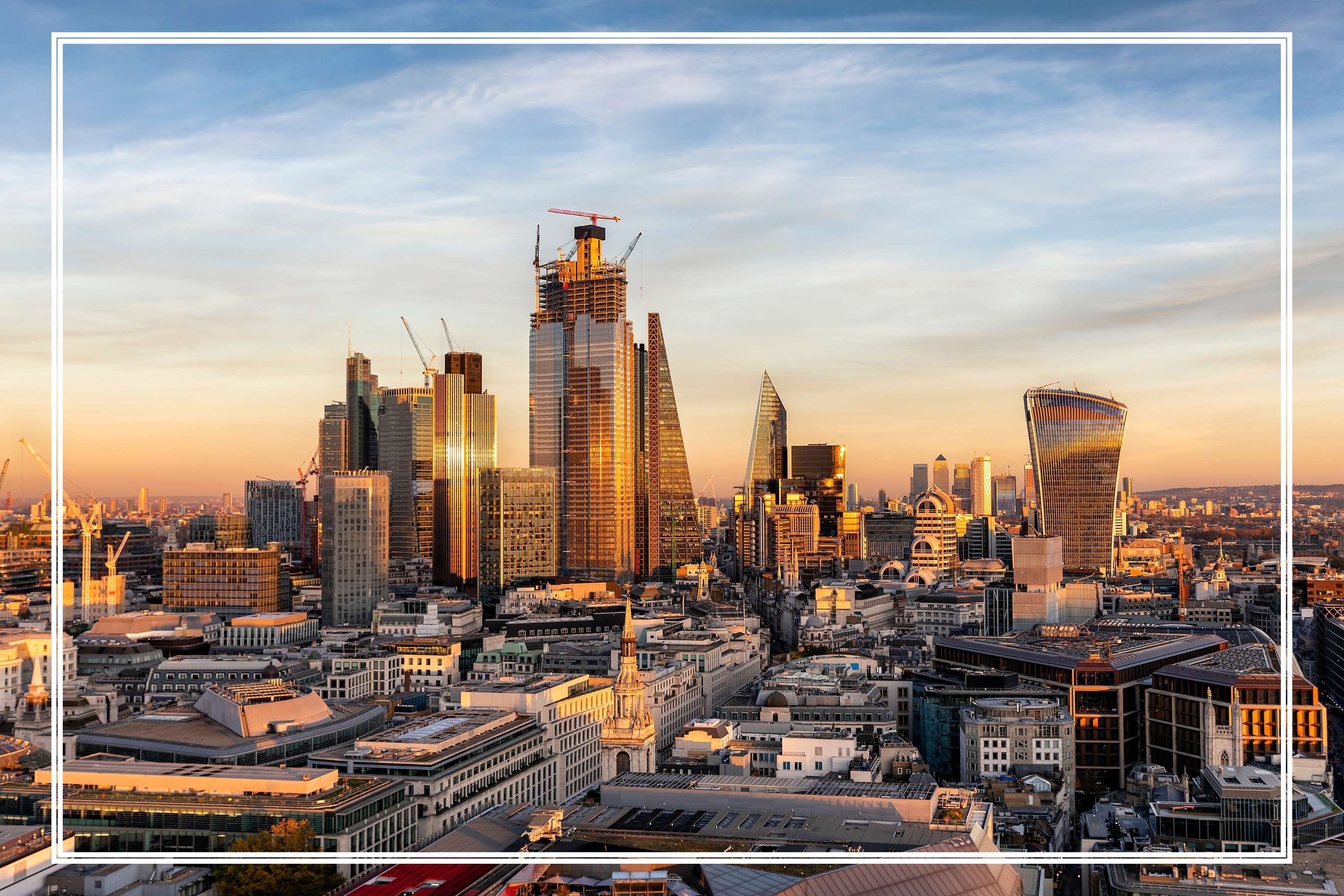
When an estate agent books a photographer for your property, the conversation almost always covers what to tidy, which rooms to prioritise, and whether the garden is presentable. What it rarely covers is the one variable that affects the quality of every image more than any other: what time of day the photographs are taken. That oversight costs sellers more than most people realise.
Rightmove's data consistently shows that listing photographs are the primary driver of whether a potential buyer clicks through to a property or scrolls past. In a market where almost a third of existing listings have already required a price reduction, according to the May 2026 HPI, the difference between a listing that immediately attracts viewings and one that generates little interest often comes down to the quality of those first impressions. Light is the foundation of that quality, and golden hour is when it is at its most flattering.
What golden hour actually is
Golden hour refers to the period of approximately one hour after sunrise and one hour before sunset, when the sun sits low on the horizon. The light during this period is directional, warm in tone, and significantly softer than the overhead midday light that most daytime property shoots capture. It wraps around surfaces rather than creating harsh contrasts, fills rooms from the side rather than bleaching them from above, and produces a warmth in an image that makes a space feel genuinely inviting rather than simply well-lit.
It is the same reason that every photographer, from architectural professionals to portrait specialists, treats these windows as the premium shooting hours. The physics of low-angle, warm light does not change depending on what is being photographed.
How it applies specifically to property
For exteriors, golden hour light illuminates the front of a property with a directional warmth that midday light cannot replicate. Shadow detail is retained, brickwork and stonework read with texture and depth, and the overall image has a quality that registers with buyers as welcoming rather than flat. An exterior shot taken in harsh midday sun will often show a washed-out roof, deep shadow under any overhang, and a result that reads as functional rather than aspirational.
For interiors, the angle matters more than the warmth. A room photographed when low sunlight enters from the side creates natural depth and dimension, picking out textures in furniture, flooring, and textiles in a way that overhead light does not. The result is an image that shows how the room feels to be in, which is the emotional response a listing photograph needs to generate.
For gardens and outdoor spaces, the before-sunset window in summer is transformative. A garden photographed at seven in the evening in July shows exactly what an evening in that space looks like, which is precisely what buyers are imagining when they assess outdoor space.
The practical steps sellers should take
Before photography is booked, establish which direction your property faces. A south or south-west facing front elevation will photograph best in the late afternoon before sunset. An east-facing front will show better in the morning after sunrise. This simple orientation check, which takes seconds on any mapping application, should dictate the time of the photography appointment.
Discuss timing explicitly with your agent and photographer. Many photographers will accommodate a golden hour request if asked. In July, when sunset sits at approximately 9pm, an evening shoot after seven is entirely practical. Most sellers never ask. Those who do end up with listing images that are visibly different from the competition.
In a market where Rightmove's May 2026 data shows stock at its highest since 2015, the properties that convert browser interest into booked viewings are those that photograph distinctively well. That quality is not primarily a function of the property. It is a function of the light.
Ready to sell your home at its best? Talk to our team today.
