There is a version of property marketing that nobody teaches and almost nobody talks about. It has nothing to do with staging, pricing strategy, or the wording of your listing description. It is simply this: in July, the sun does not set until nine o'clock, and that single fact is worth more to a seller than most of the advice they will receive.
The arithmetic is straightforward. In January, useful natural light for property viewings ends around four in the afternoon. That limits a typical viewing schedule to roughly six or seven appointments per day, squeezed between school pickups, work commitments, and the logistics of getting from one property to another before darkness falls. In July, that window extends to eight, nine, or even ten viewings on a busy property. The three extra appointments that the long summer evening makes possible are not filler slots. They are often the most productive of the day.
Who comes to evening viewings
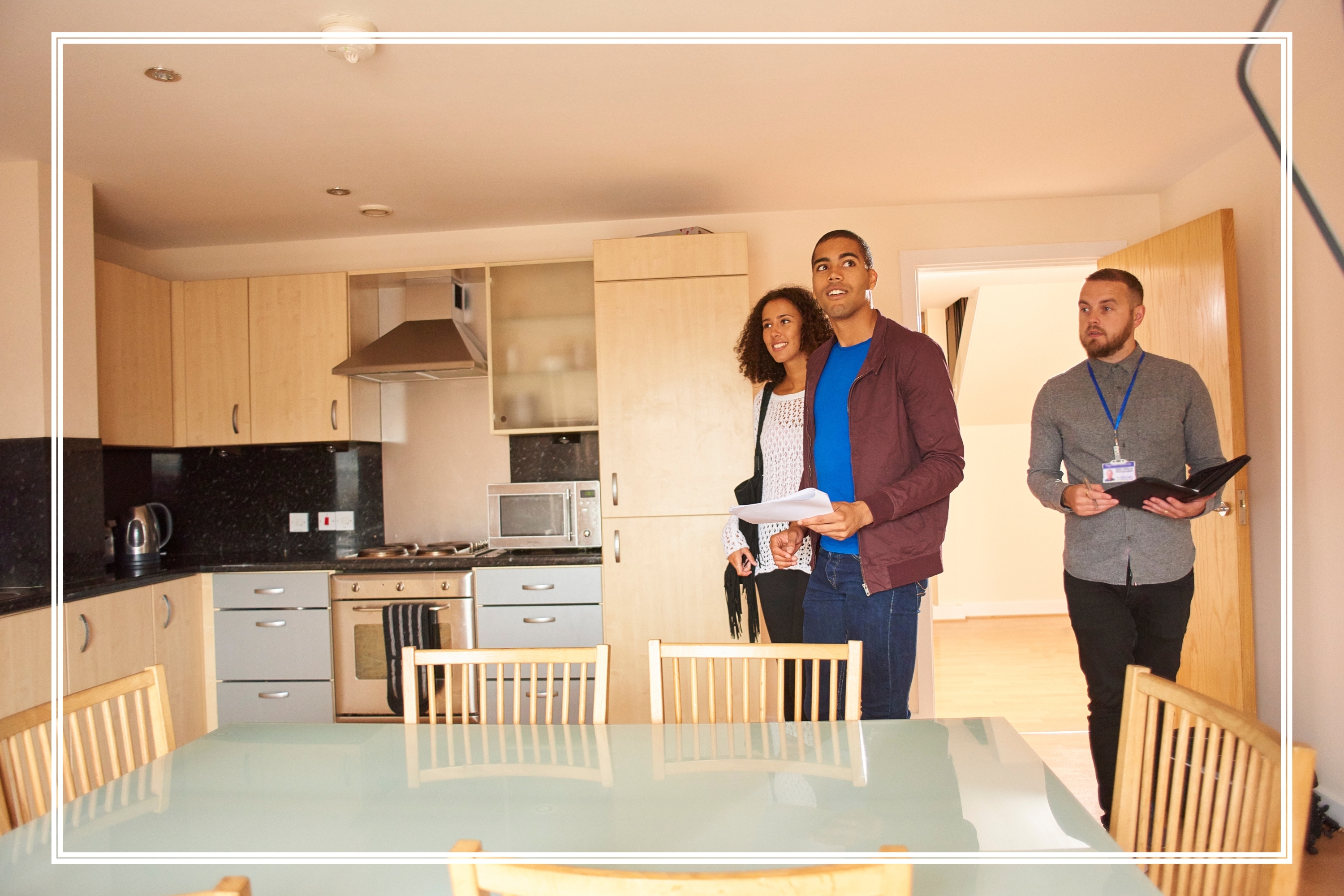
The buyers who book viewings at seven or half past seven on a weekday evening in July are not casual browsers. Getting yourself and often a partner to a property viewing after a full working day involves planning, commitment, and a genuine belief that the property is worth your time. These are buyers who have already assessed the listing carefully, decided the photographs and floorplan pass the test, and made a deliberate effort to attend.
Estate agents consistently observe that evening summer viewings convert to offers at a higher rate than daytime appointments precisely for this reason. The audience has self-selected for seriousness. They are not testing the market or keeping their options open. They are standing in your home imagining whether they could live there.
What evening light does to a property
This is where July becomes quietly magical for anyone selling. The light between six and nine in the evening in midsummer is not the same as the light at midday. It comes from a lower angle, which means it travels through rooms horizontally rather than flooding in from above. It picks up textures in walls, floors, and soft furnishings that flat overhead light misses entirely. It creates warmth and depth in a way that no photographer can replicate at noon.
A kitchen that looks functional at midday can look genuinely beautiful at seven in the evening when the low summer sun streams through the window and catches the worktops. A garden that appears on the listing photographs as a pleasant space becomes something a buyer wants to sit in when they are actually standing in it, warm air around them, the evening light doing its work.
South-facing and west-facing gardens are the obvious beneficiaries. If your outdoor space receives afternoon and evening sun, a viewing at seven or eight in the evening shows it at the precise moment it is at its most compelling. The buyer standing there is not imagining what the space could be like. They are experiencing it.
The practical action
Make it explicit that evening slots are welcome throughout July. Ensure the property is tidy and the garden is presentable at the end of the working day, not just at the start of it. Set out any outdoor furniture as though it is in use.
These are small things. But in a market where the difference between an offer and a pass often comes down to how a buyer felt in the final minutes of a viewing, the light in your home on a warm July evening is doing half the work for you.
Find out what your home could achieve this summer
